| News: President Kibaki congratulates HSHC with its bio-diesel project |
HSHC presented the organisation and our projects at three fairs held in September and October 2008.
From 18 until 20 September HSHC participated at the Agricultural Show in Nyeri. The show which was organised by the Agricultural society attracted a lot of people involved in agriculture. Amongst them also Deputy Prime Minister Uhuru Kenyatta who praised HSHC for our innovative work. “It is exciting that HSHC managed to add value to locally available resources that were previously neglected”, he said.
HSHC’s booth was visited frequently as people came to know more about our bio-diesel and oil projects. Read more
Volunteer Peter Grundlehner of HSHC tells President Kibaki and Prime Minister Odinga about our bio-diesel project
|
|
|
|
News: HSHC receives funding from the Embassy of Finland
In June HSHC was informed that the Embassy of Finland decided to support our work by funding the “Rural bio-diesel project”. Through the “Local Cooperation Fund” the Finnish Embassy will make 4.6 million Ksh (46,000 Euros) available to expand and boost the production of bio-diesel made out of locally available resources.
The funding allows us to do an extensive study on the availability of resources like croton and castor. “If we know better how many seeds are available in which areas, we will be able to plan our production better and we will be able to involve more communities as seed collectors”, explains director Bernard Muchiri.
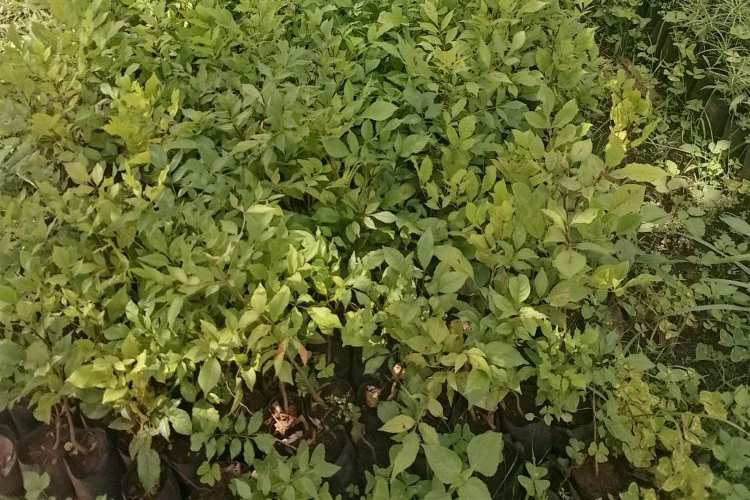
To ensure that local people will benefit more, the project will also focus on promoting planting of croton and castor trees. Apart from bringing an alternative source of income, the trees will also result in environmental benefits such as reduction of soil erosion.
The project also caters for the establishment of a small laboratory and a storage facility for seeds.
The last component of the project is focusing on the by-products. In the process of making bio-diesel, three by-products are made: husks from the croton seeds, seed cake and glycerine. The project will aim to secure reliable markets for these products so that the bio-diesel production will become more profitable. Higher revenues will make it possible to increase the returns to the communities, and that is what it is all about.
For more information on the bio-diesel project, please refer to “Kenya-Eco Enterprises”. |
|